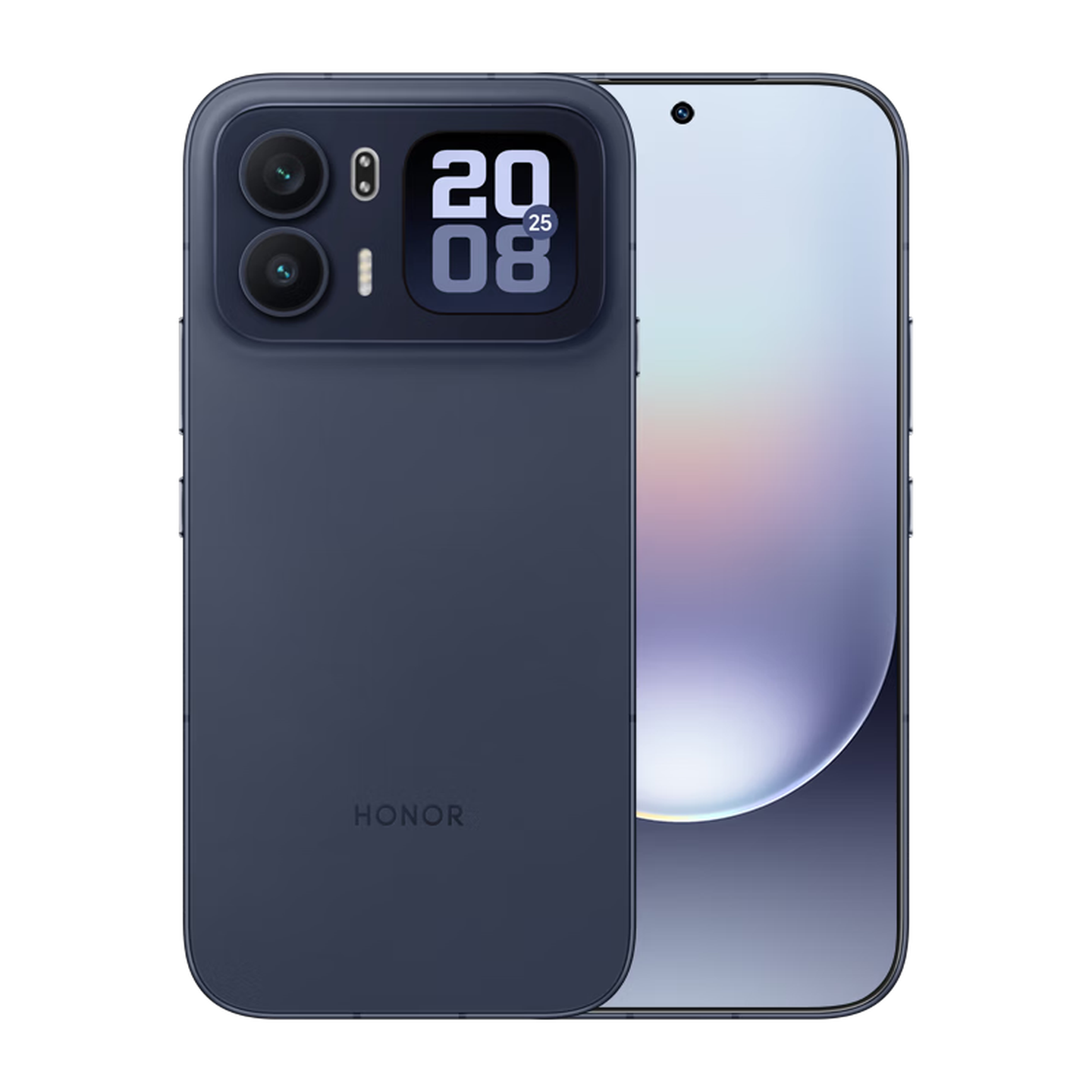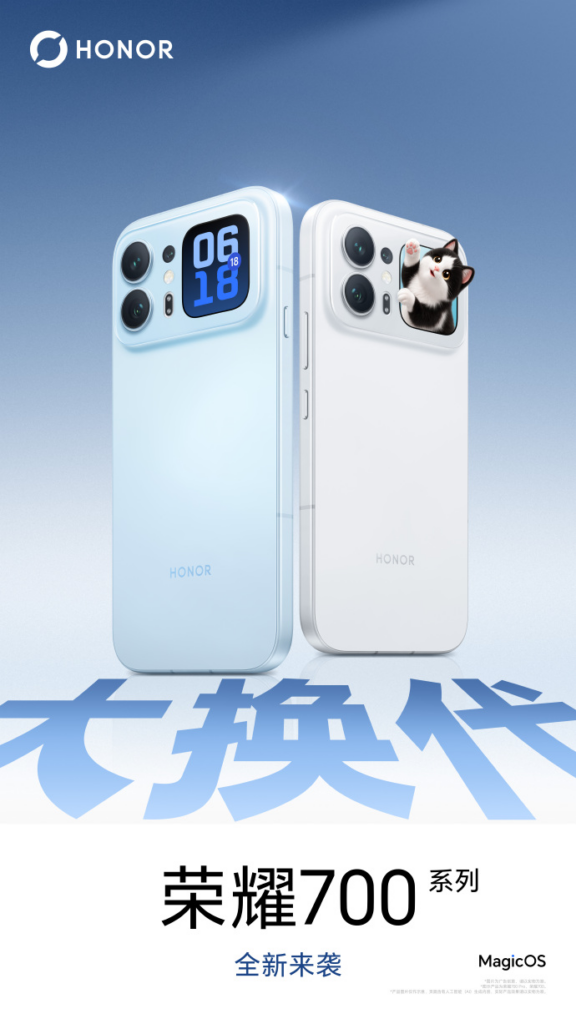
On November 9, Fang Fei, product line president at Honor Terminal Co., Ltd., officially announced the new design of the Honor 700 series. The full lineup will carry an AI dynamic rear display, which Honor called the largest appearance change yet for its number series and a “major design overhaul.”
The company is not centering the update on a revised camera module or added decoration. It is using the rear display to combine AI interaction, personal expression, and the phone’s overall design, and to extend that change into daily use.
Rear displays are not new. Makers have long tried extra screens on the back for the time, notifications, or a viewfinder for the rear camera. Those screens often stayed novelties because the main display could already do the same jobs, so steady habits were hard to form.
Fang Fei said the magnetic secondary screen on the previous generation was popular for more than the extra display. It brought back the appeal of an electronic pet: looking after it, watching it grow, and sharing it with friends. He tied that appeal to demand for personal expression and emotional companionship. The Honor 700 series’ AI dynamic rear display starts from those two ideas.
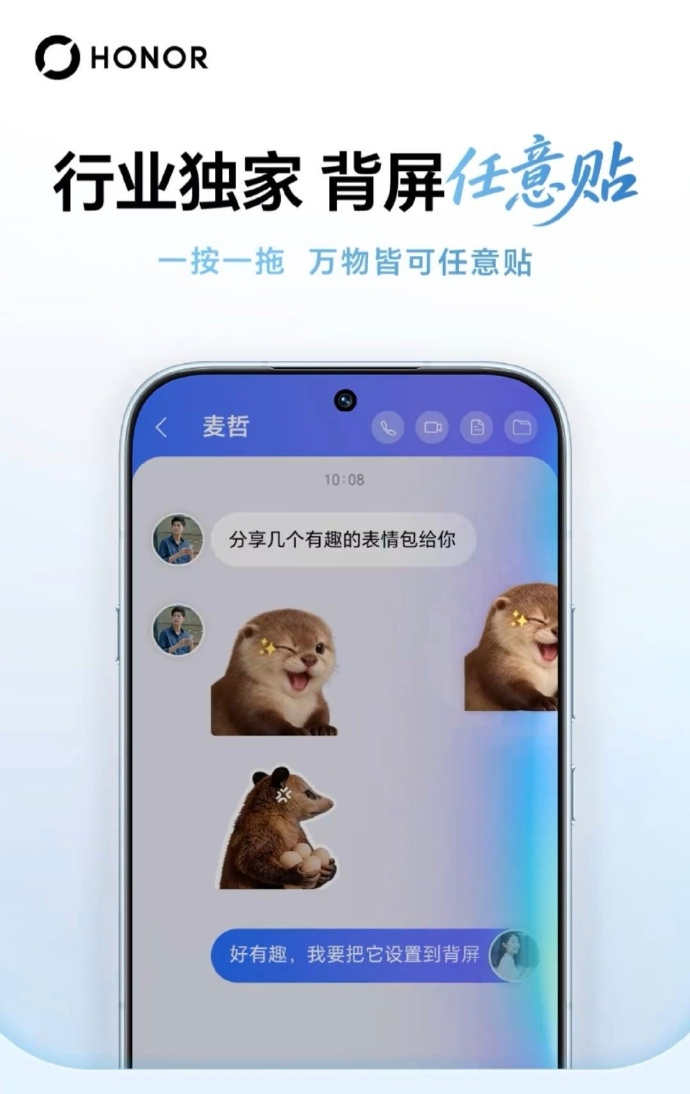
For expression, users can switch rear-display themes and show images and content they choose. On the morning of November 10, Honor also announced a “stick anything on the rear display” feature. Emoji, GIFs, and still images can be placed on the rear screen with a press and drag, so the back is not limited to preset themes.
Honor is also putting an electronic pet on the small screen through AI. Fang Fei said it does not take over the main display or interrupt ordinary use, but it can respond to interaction at any time. Unlike earlier pets that only showed a static image, AI is meant to add more interaction and act as a digital companion.
The company argues that novelty is not enough. The rear display also needs practical roles. Besides AI interaction and themes, the Honor 700 series adds a live view for rear-camera selfies, heart-rate and blood-oxygen checks, and flight reminders. A selfie taken with the rear main camera can be framed on the rear display. During travel, the same screen can show flight alerts.
Honor presents the rear display as a lighter place for simple information and everyday interaction, so those tasks do not all have to open on the main screen.
Fitting another screen into a phone is not straightforward. Internal structure, battery capacity, thickness, and weight all have to be balanced, especially when buyers want both endurance and a thin, light handset. Fang Fei wrote on Weibo: “The rear display can be added, but overall thickness and weight cannot increase, and battery life and feel will not be compromised.”
According to information Honor has disclosed, internal architecture puts what it calls the largest battery in the class into a body 7.96 mm thick. The design uses what the company describes as an industry-first floating-glass process, setting the rear display into a rear module named “Floating Ice Island” for a suspended look. One-piece cold-carved glass, an ultra-thin stacked design, and a frosted metal frame are meant to keep the rear display visually consistent with the body. The phone also has an extremely narrow equal four-sided bezel and a customizable shortcut key of the type used on flagship models.
The AI rear display is not the only claimed point of interest. Online leaks, which the source presents as unconfirmed, say the series will use a dual-flagship chip setup, with the standard model on the Snapdragon 8s Gen 4 and the Pro model on the Snapdragon 8 Gen 5; a 200-megapixel main camera across the lineup; a 50-megapixel periscope telephoto on the Pro; and a battery that may reach 9,000 mAh. Honor has announced four colors: Clear Sky, Pink Mist, Cool White, and Blue Tone. It is also due to release more technology details on November 13.
The article’s overall reading is that the Honor 700 series keeps the number series’ focus on performance, imaging, and battery life while adding a new design and interaction model through the AI rear display, folding AI into the hardware form rather than only raising specifications. It frames the phone as a refresh aimed at younger buyers and as one attempt, in a market where hardware specs are converging, to differentiate through user needs and everyday experience instead of the main screen alone.
Original article: https://www.ithome.com/1/025/171.htm