
Digital Camera World chose the Canon EOS R7 as its overall pick in a November 25, 2026 comparison of six APS-C mirrorless cameras. Its strongest case was action photography: the autofocus kept up with figure skaters and birds in flight, and the 32.5-megapixel sensor left room to crop. But the R7 wasn’t the resolution leader in the publication’s lab tests, and its limited burst buffer matters if you need to follow a subject for more than a short sequence.
For sports and wildlife: Canon EOS R7 or Nikon Z50 II
Both cameras can shoot at 30 frames per second, but the headline figure hides an important difference. The R7 reaches that speed with its electronic shutter and can shoot at 15 fps with its mechanical shutter. Its buffer holds 46 RAW images or 184 JPEGs, so timing a burst still matters. Canon’s 1.6× APS-C crop also gives an 800mm lens the field of view of a 1,280mm lens on full frame, useful for a bird that’s too far away to fill the frame.
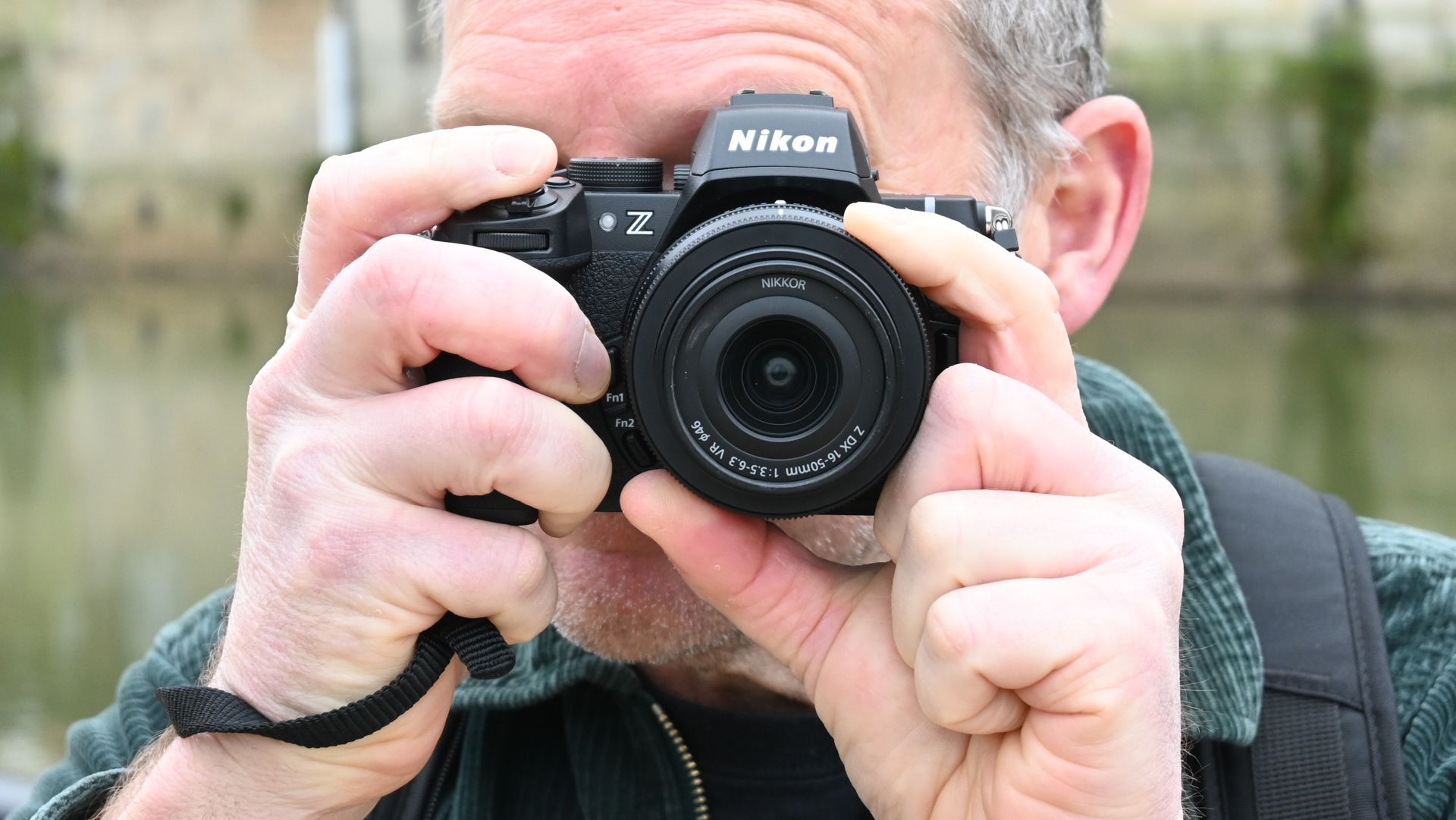
The less expensive Nikon Z50 II offers a different way to catch a fleeting moment: its pre-release capture can record frames before the shutter button is fully pressed. The reviewer found its subject-detection autofocus quick and accurate. Its 30 fps mode is limited to JPEG or HEIC, however, and fast movement can show rolling-shutter distortion. With the mechanical shutter, it reaches 11 fps. The 20.9MP sensor leaves less room to crop than the Canon’s, and the Nikon lacks in-body stabilization.
For detailed stills or a first camera: Fujifilm X-T5 or Canon EOS R100
The Fujifilm X-T5 is the stronger choice for large prints and tight crops. Its 40.2MP sensor topped the publication’s resolution chart. Physical control dials pair with an aperture ring on compatible lenses, while Film Simulation modes let photographers choose a film-inspired look for JPEGs without having to recreate it in editing software. The reviewer found its subject detection capable but rated the Canon R7 and Sony A6700 ahead of it for autofocus.
The Canon EOS R100 takes a different approach to learning exposure. Its guided menus show examples of what each mode does, and Creative Assist lets a beginner adjust background blur, brightness or contrast before moving to manual controls. At 356g, the 24.1MP R100 is the lightest camera in the comparison. The compromises are most noticeable for video: the screen is fixed and doesn’t respond to touch, and 4K recording at 25p applies a 1.55× crop and loses Dual Pixel autofocus.
For travel and filmmaking: Sony A6700 or FX30
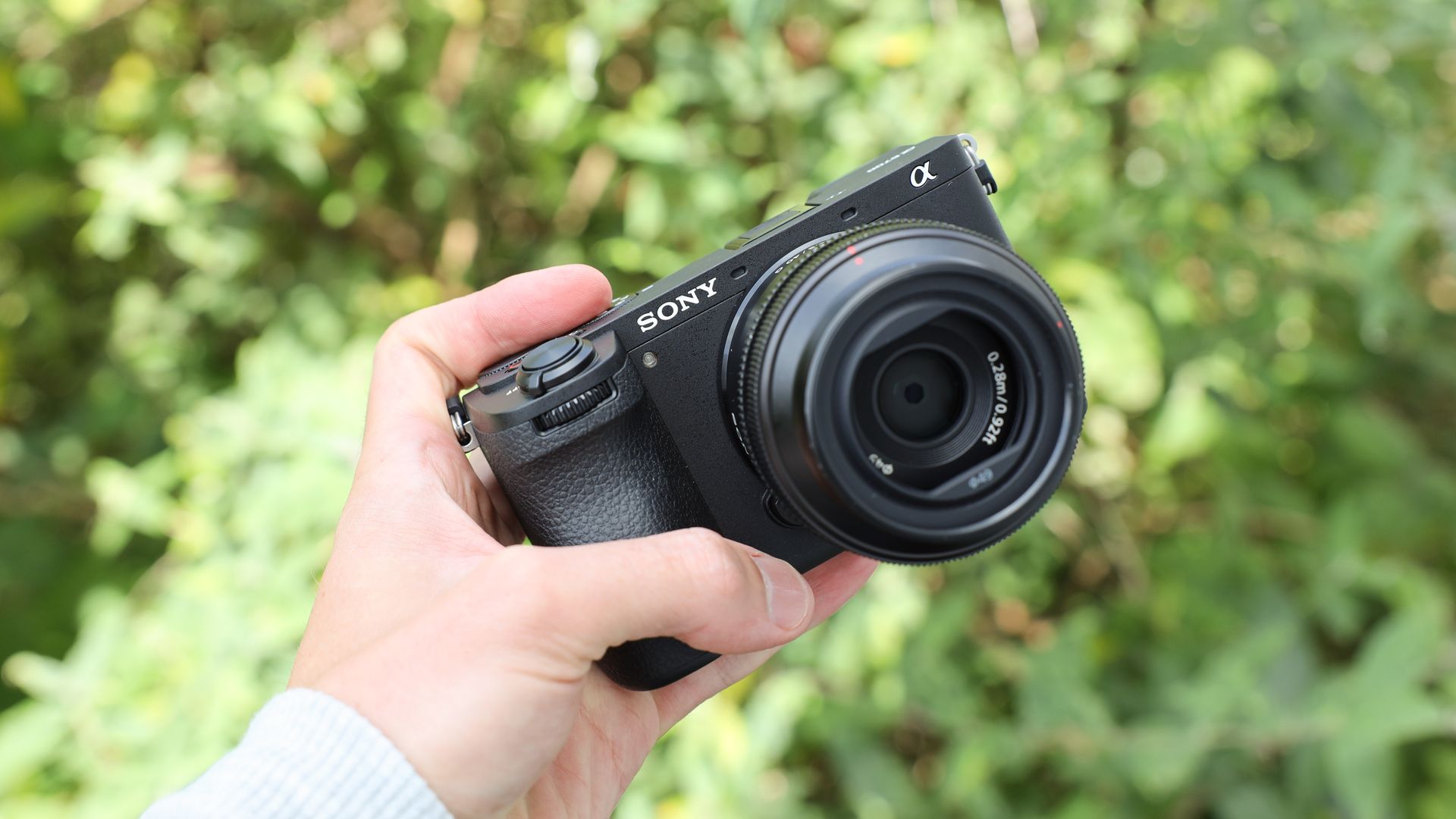
The Sony A6700 is the more versatile of the two for someone who shoots both stills and video. Its 493g body combines a 26.1MP sensor, five-axis stabilization, subject-tracking autofocus and 4K recording at up to 120p. A side-opening screen and microphone and headphone sockets help with filming. The card slot is separate from the battery compartment, so a tripod or gimbal needn’t get in the way of a card change. The reviewer’s handling reservations were the dated viewfinder and the way large lenses balance on the small body.
The Sony FX30 makes more sense when video is the priority. Five mounting points let filmmakers attach accessories without a cage. The camera offers 6K oversampling, cropped 4K at 120p and dual base ISO settings of 800 and 2,500 in S-Log3. Some recording formats require a CFexpress Type A card. There’s no viewfinder, and reviewer Rod Lawton found that while in-body stabilization handled slow pans, it struggled when he filmed while walking. Sony’s Catalyst Browse software can use recorded gyro data to correct movement, but that adds a step after shooting.

What the lab results establish
Of the five cameras Digital Camera World tested in the lab, the X-T5 recorded the highest peak resolution score, the Z50 II the highest peak signal-to-noise ratio, and the R7 the highest peak dynamic range. Those are peak measurements, not leads at every ISO setting. The publication had tested the FX30 in use but had not lab-tested it, so its video recommendation rests on the shooting assessment rather than a six-camera lab comparison.