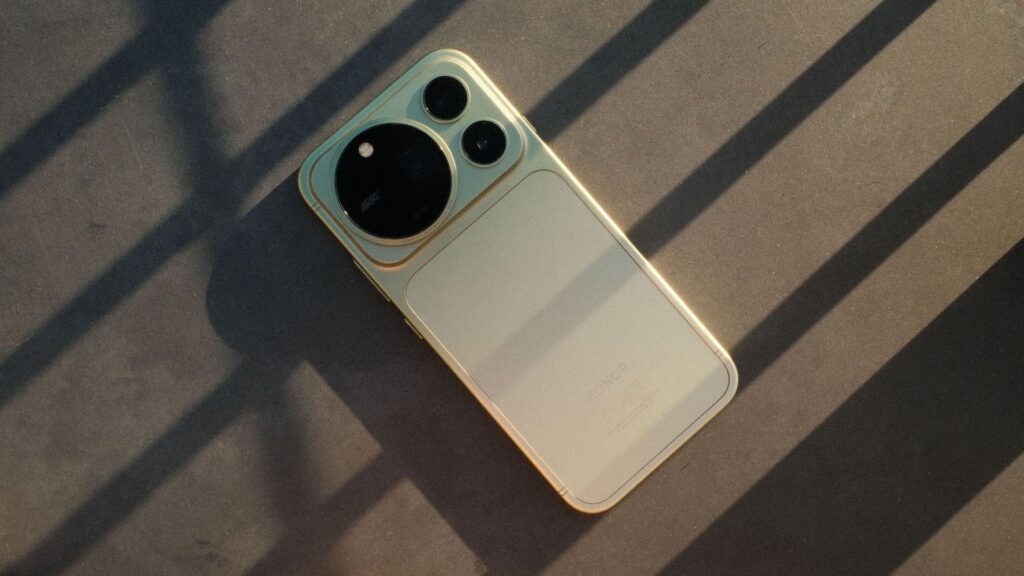
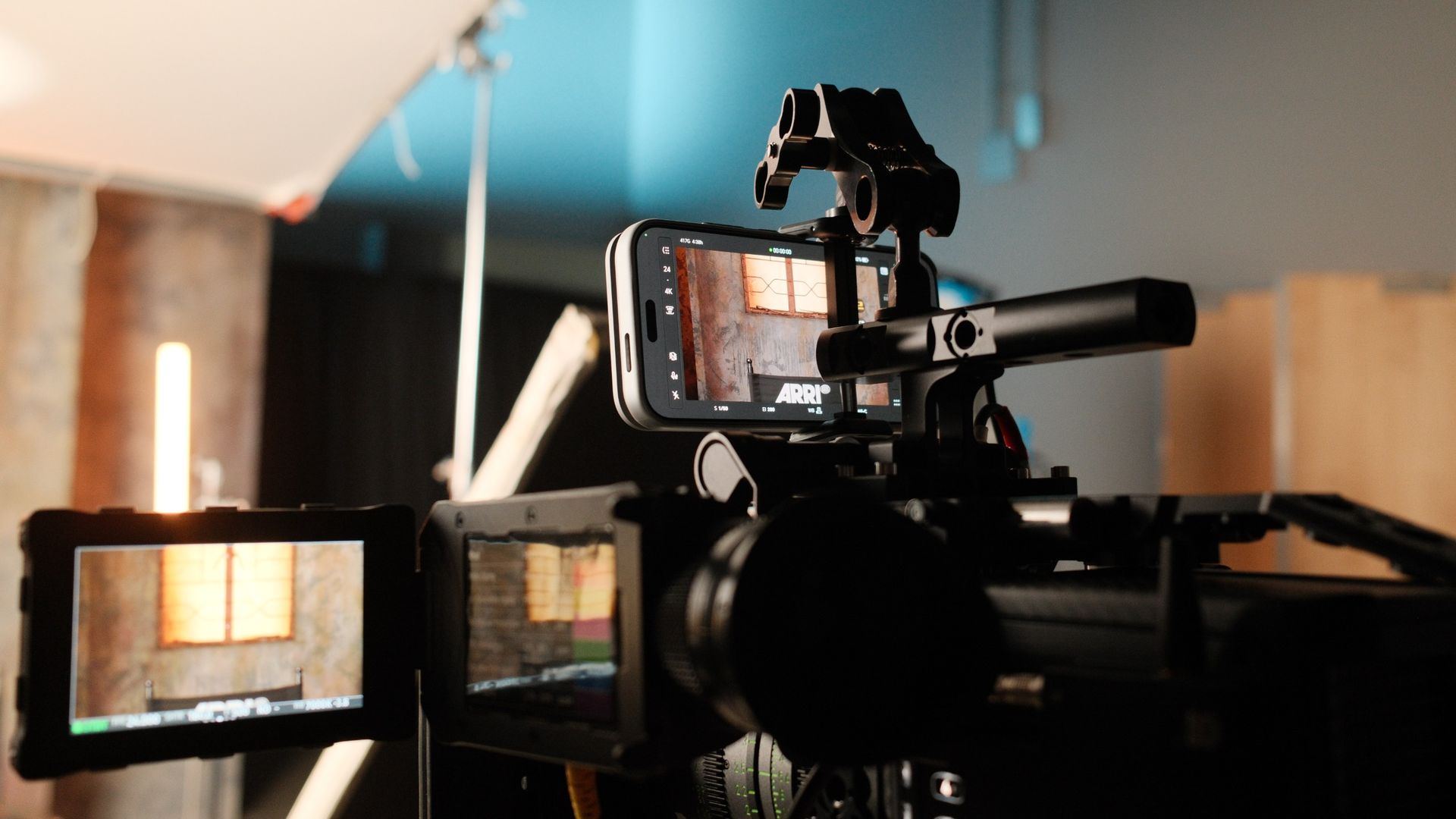
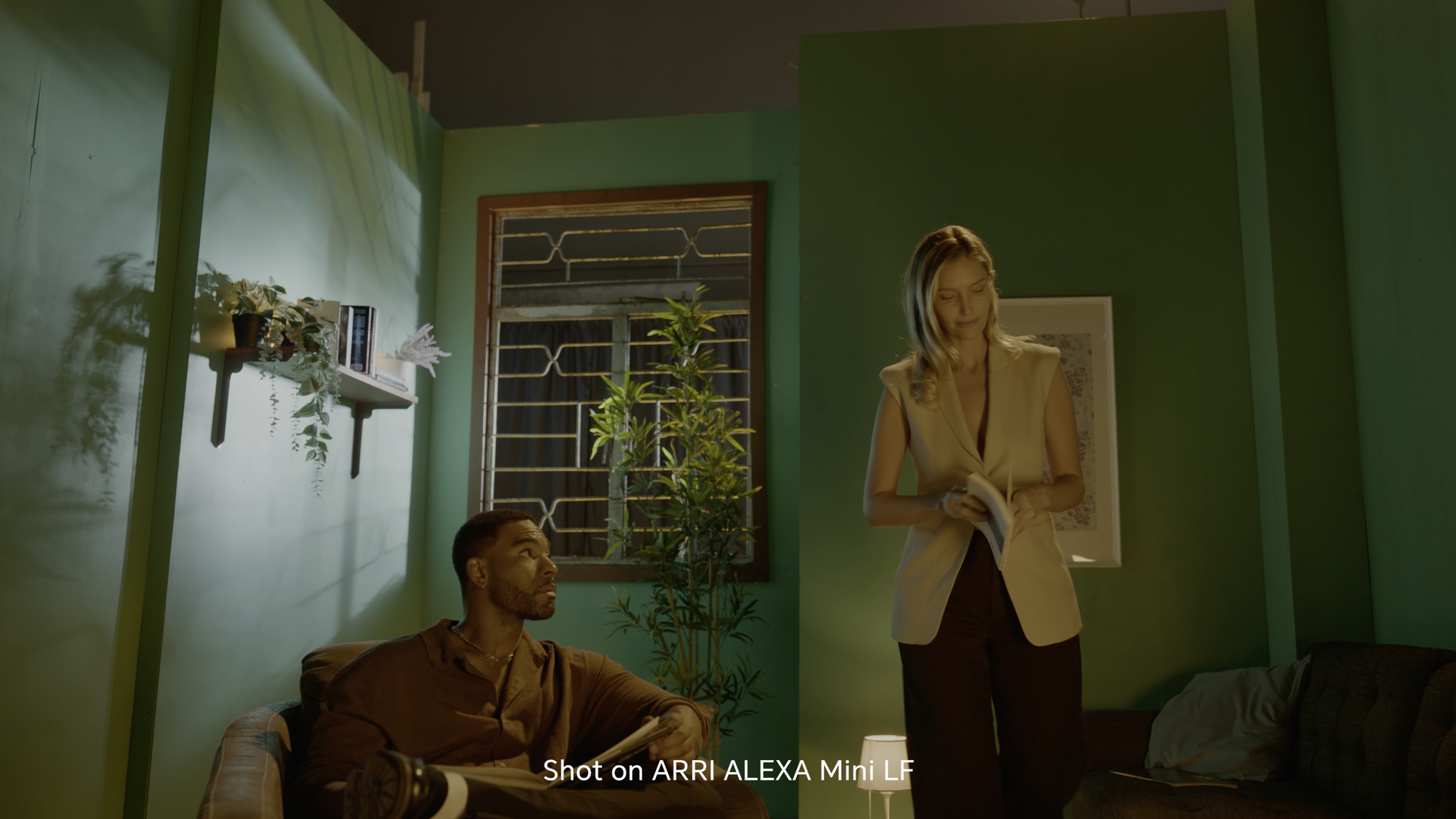
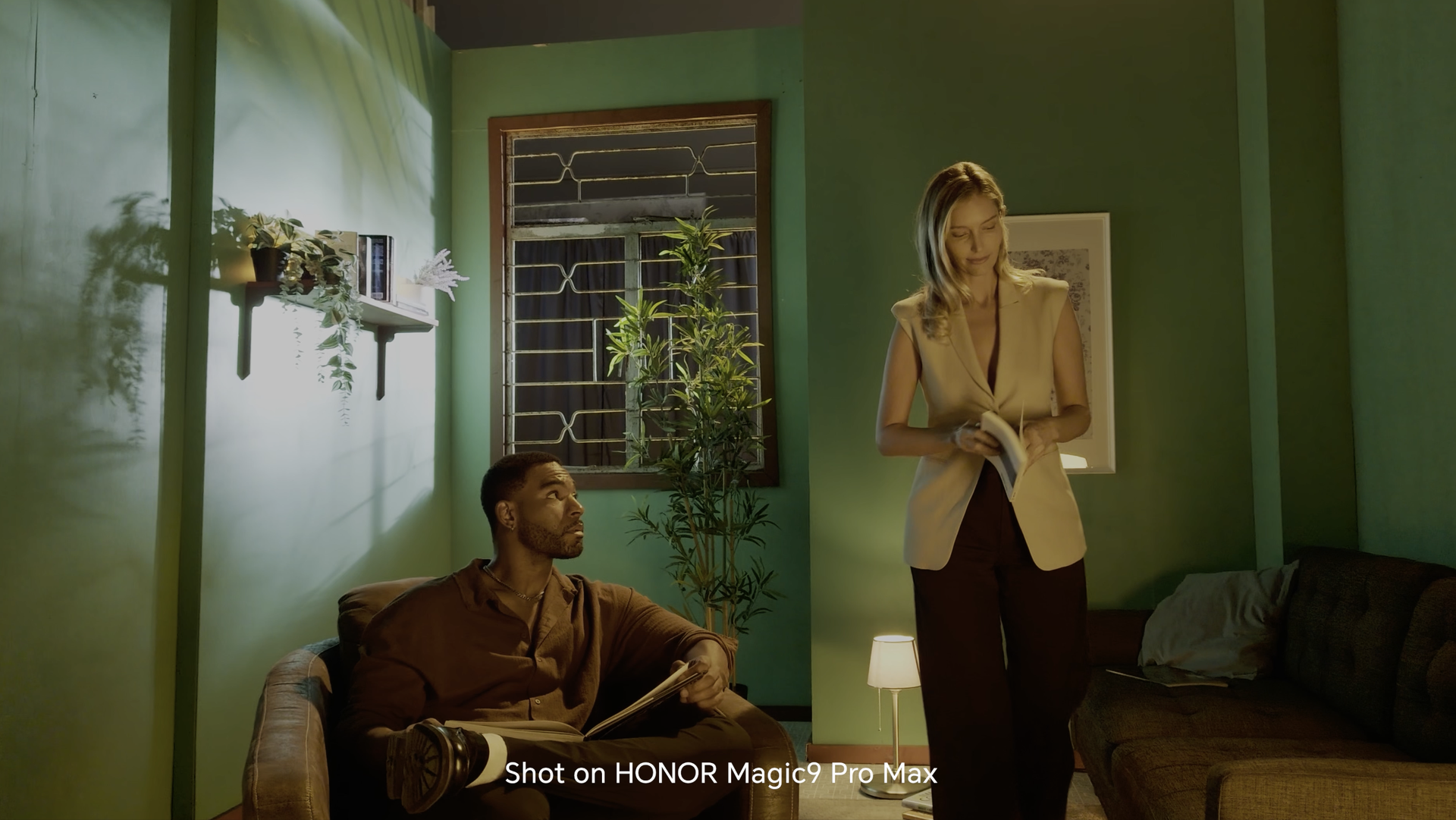
At ARRI’s Los Angeles studio, reviewer Gareth Bevan filmed the same scenes with the Honor Magic 9 Pro Max and an ARRI ALEXA Mini LF. When he applied the same color preset to both recordings, he found their colors surprisingly close. The phone didn’t match the cinema camera’s dynamic range, depth of field or overall image quality, but the test showed where it could be useful: as a second camera whose footage can be graded alongside the first.
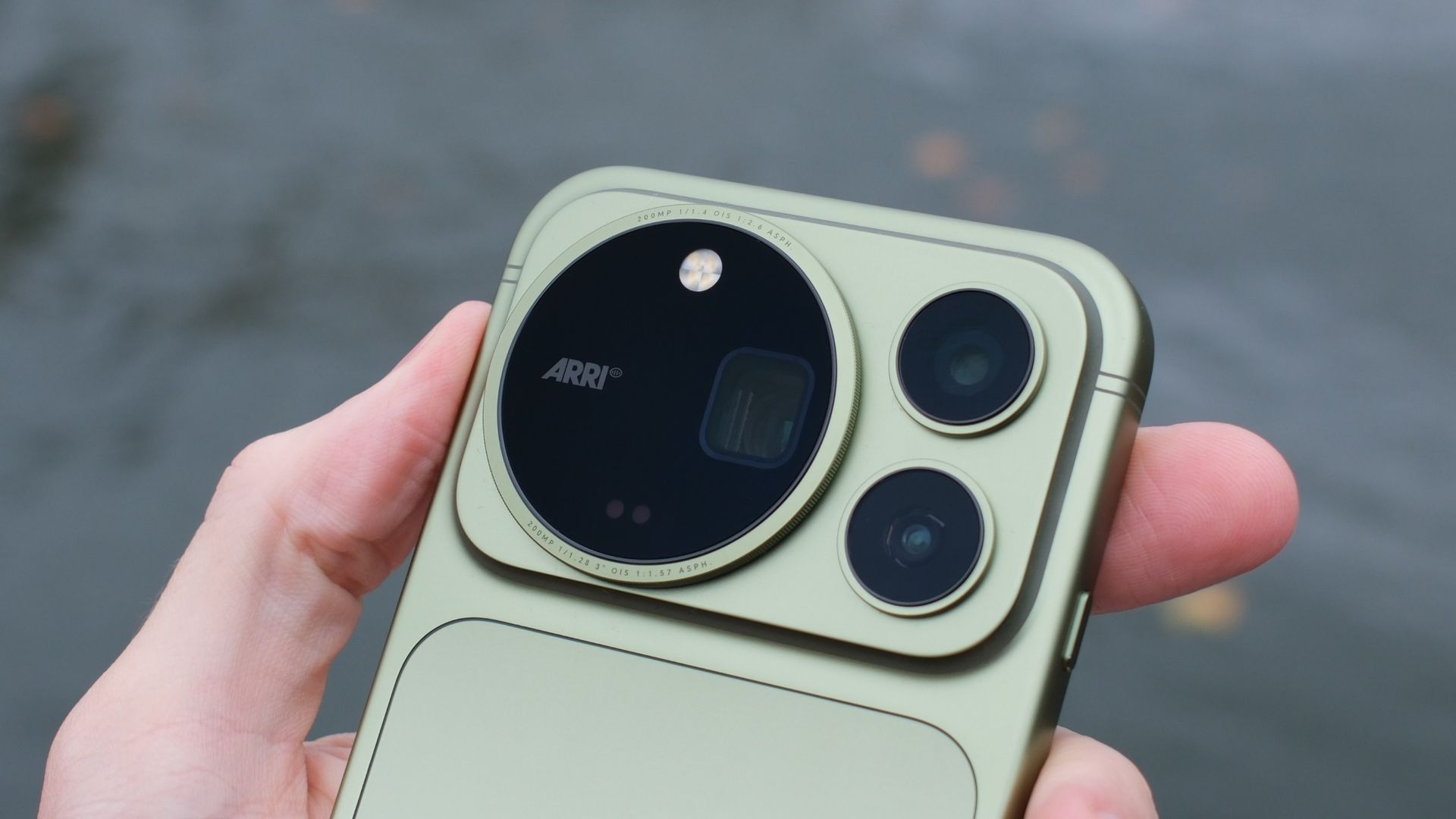
The Magic 9 Pro Max is the second device from Honor’s partnership with ARRI, following the Robot Phone. It is scheduled for release in the UK and Europe on January 14, 2027. As of the November 25, 2026 review, final pricing for those markets was not available, and Bevan held off on a final rating.
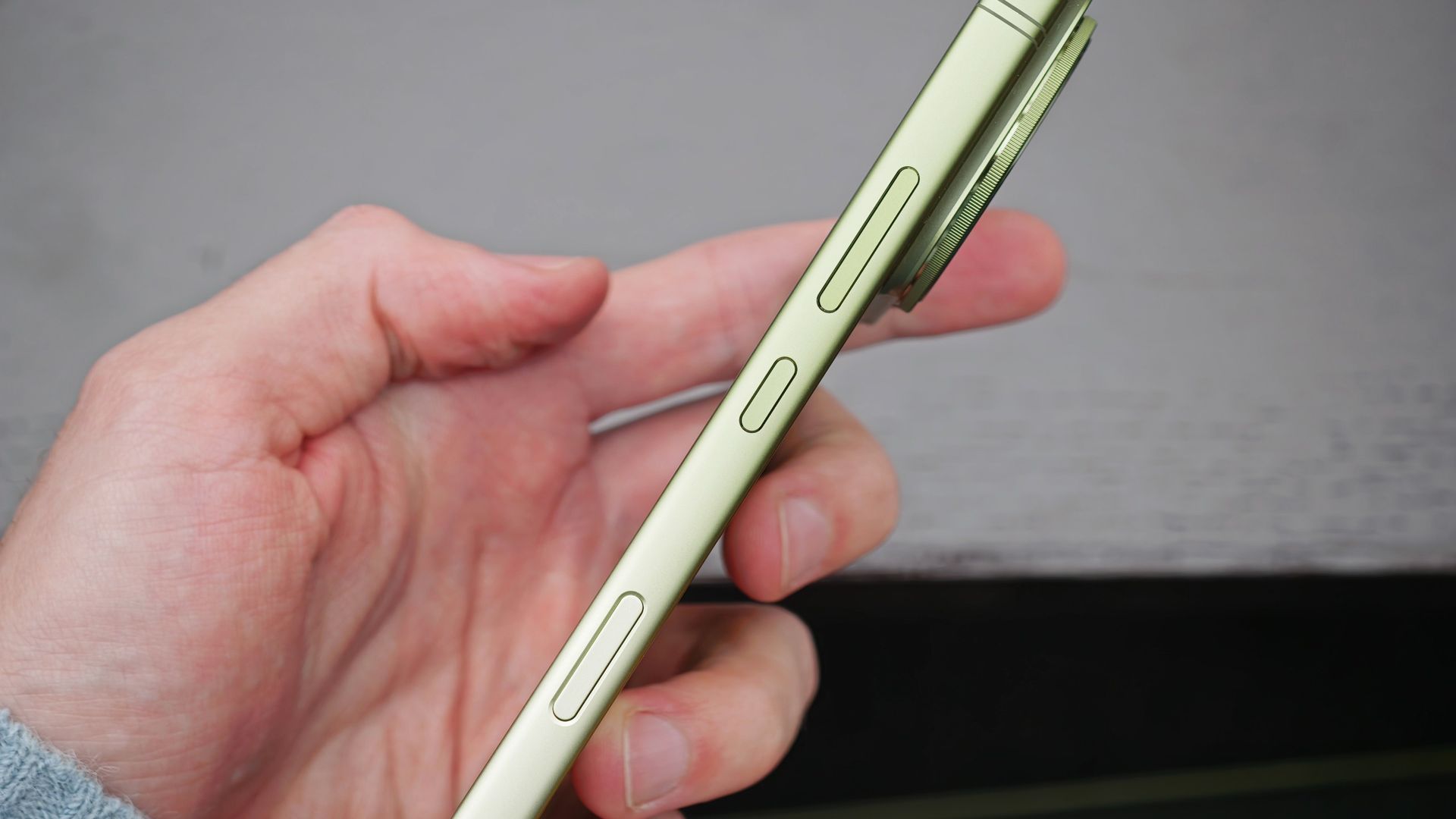
What ARRI Cinema changes
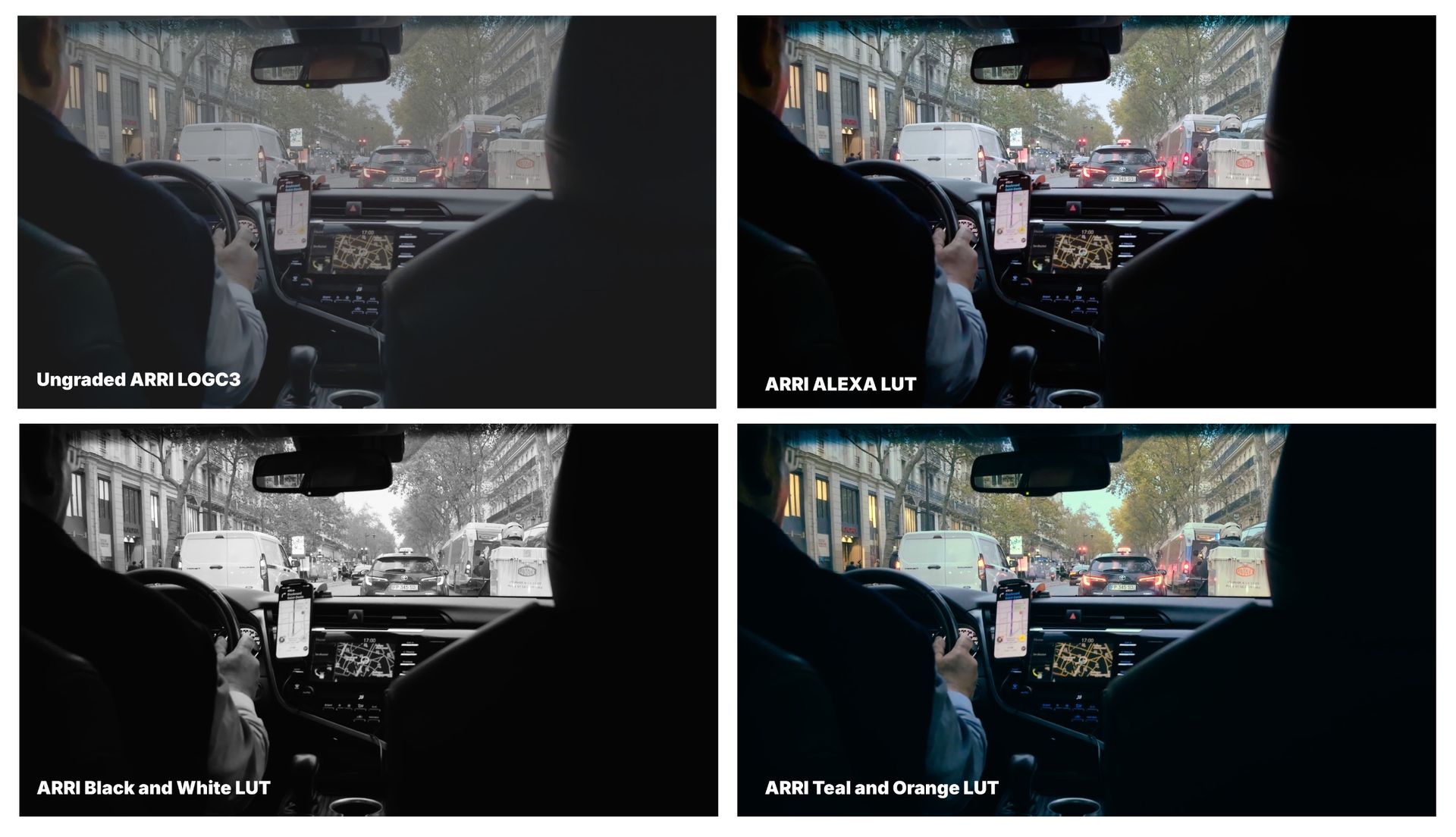
ARRI Cinema records 10-bit video using ARRI’s LogC3 profile and Wide Gamut 3 color space. The practical benefit of LogC3 is that filmmakers can use existing lookup tables, or LUTs, to adjust color and contrast. There are 14 looks built into the phone and another 87 compatible looks in the ARRI Look Library. Bevan applied different looks to the same Paris street footage in the gallery app, without moving the clips to a computer. For users who don’t want to grade footage later, the phone can apply a look as it records in SDR or HDR.
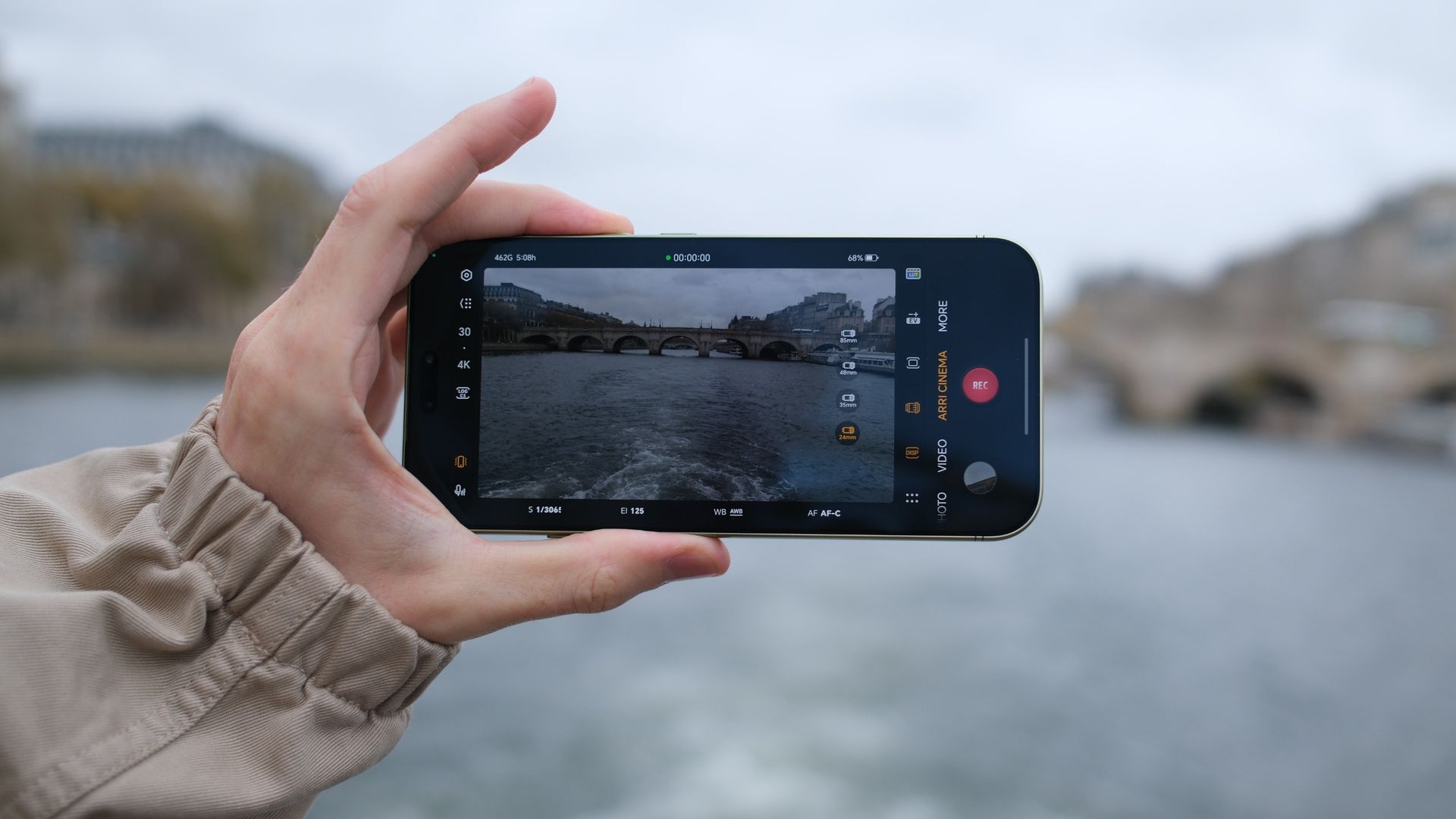
The interface offers controls for shutter angle, ISO, white balance and focus, plus a false-color display for checking exposure. Honor claims eight stops of CIPA-rated stabilization on both the 24mm main camera and the 85mm telephoto. Bevan found walking shots and pans smooth, but enhanced stabilization cropped enough from the frame that the main camera sometimes wasn’t wide enough for the shot he wanted.
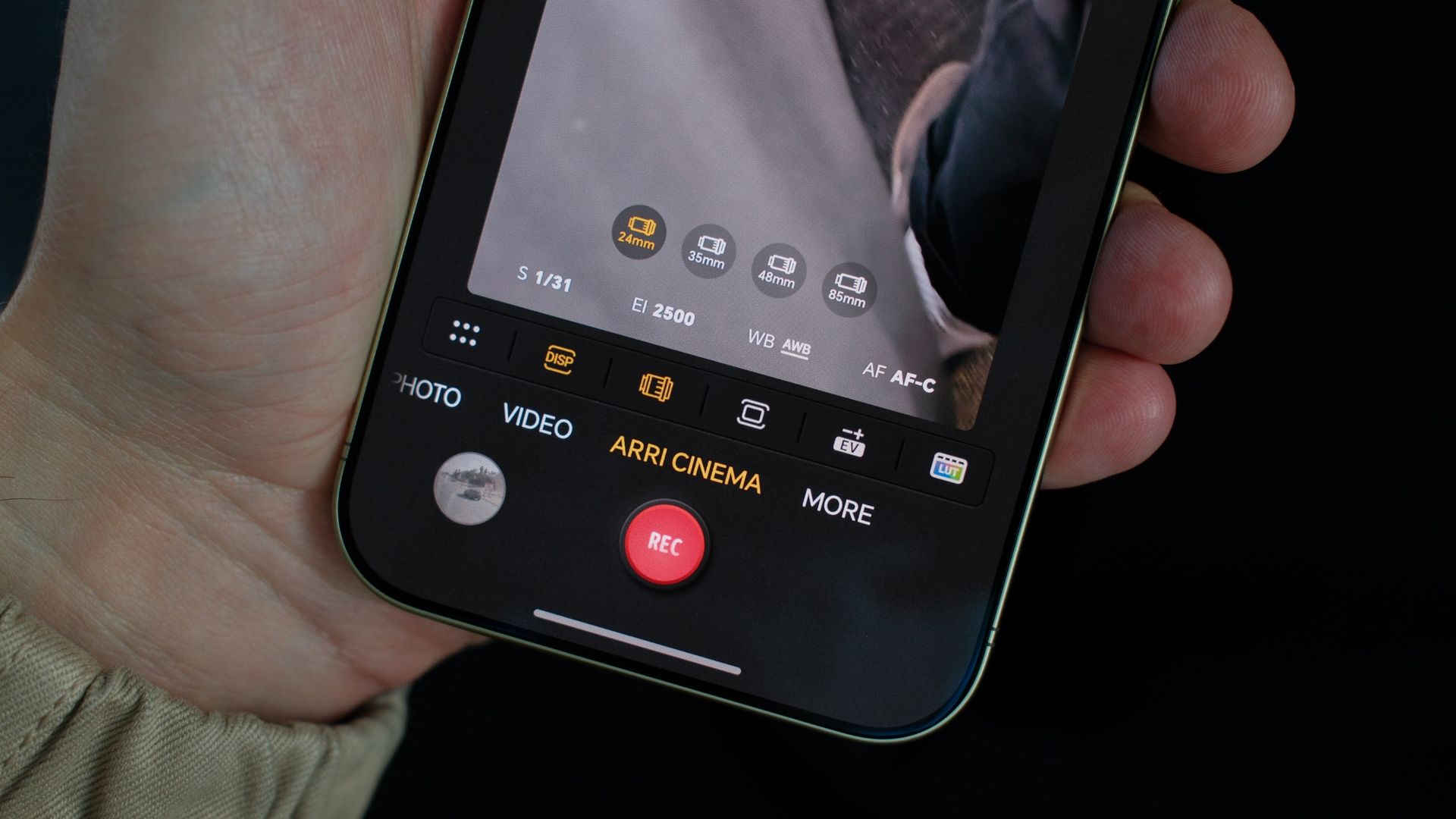
ARRI Cinema works only on the main and telephoto cameras. Switching to the 12mm ultrawide means leaving the mode. So does shooting at 4K and 120 frames per second: the main and telephoto cameras support that rate in standard video, but ARRI Cinema tops out at 4K/60fps. Bevan preferred the more restrained sharpening and contrast of the ARRI footage to Honor’s standard video processing.
Still photos tell a different story
Both 200MP cameras captured fine detail and performed well in low light. In one difficult exposure, the phone retained detail on a bright screen without losing the shadows in the surrounding room. Bevan also found 10x telephoto shots, equivalent to 240mm, usable despite visible sharpening. Beyond that point, he found the AI processing began to invent detail. Honor offers optional 200mm and 500mm optical teleconverters, but he did not test them.
The 50MP ultrawide was the weakest of the three cameras for stills: textures looked painterly when enlarged, and night shots lacked the detail of the other cameras. Processing could also vary between focal lengths. In consecutive shots of Paris’s Hôtel de Ville using the same Vibrant profile, the 85mm image was brighter, sharper and more contrasty than the 48mm crop. For everyday photography, Bevan preferred the Natural profile’s more accurate white balance and lighter sharpening to the default Vibrant setting.
Battery life and everyday use
The 233g phone has a 6.8-inch OLED display with a 1–120Hz refresh rate. Its adjustable color temperature is useful for editors who want the screen to look closer to their monitor. It runs MagicOS 11, based on Android 17, on a Snapdragon 8 Elite Extreme Gen 6 processor. The 12GB RAM review unit felt quick in everyday use; a 16GB version is also available.
Battery life depends in part on the region. Bevan’s global review unit had an 8,000mAh silicon-carbon battery and lasted about a day and a half in normal use, or a full day of heavy use that included substantial ARRI Cinema recording. Those results don’t establish how long the European version will last: it has a smaller 7,030mAh battery. The phone supports 100W wired and 80W wireless charging with compatible Honor chargers.